The local payment method gap: why coverage defines international conversion
October 27, 2026
Expanding into new markets often focuses on logistics, marketing, and localization, while payment options remain an afterthought. However, data indicates that local payment method coverage is one of the most effective levers for enabling optimized routing, which in turn drives authorization rates and protects cross-border revenue.
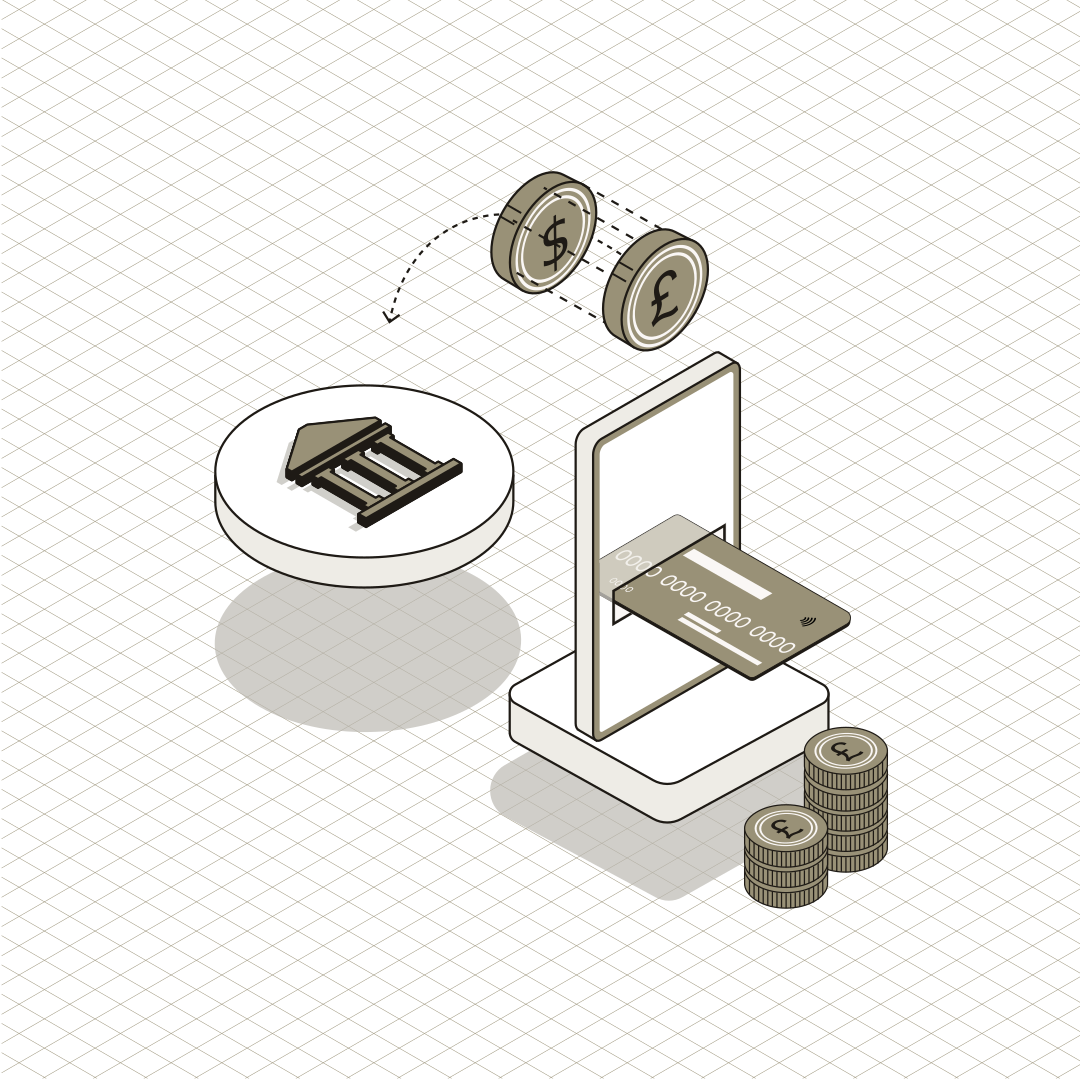
Payment strategy: enabling local routing for better authorization
Top-quartile merchants achieve a 96.6% authorization rate on cross-border transactions. Comprehensive local payment offering plays a primary role in securing these results.
Transactions processed through local acquiring show an uplift in approval rates from 3% to 15% depending on the region, with performance varying by industry and geography. Expanding local payment method options can unlock these local processing routes, driving authorization rate lift through local routing.
“Transactions processed through local acquiring show an uplift in approval rates from 3% to 15%”
— Review of Reach payments data, 2026
While the average market features 7.6 available payment options (with a median of 6.5), leading merchants in high-growth regions support 9 to 12+. Aligning with market averages rather than top-quartile leaders creates an unnecessary ceiling on market penetration.
Upstream conversion follows the same trajectory
Broader industry findings mirror these authorization trends. A Stripe 2025 holdback experiment across $1.4 trillion in transaction volume demonstrated that introducing just one relevant local payment method alongside credit cards increased conversion by 7.4% and total revenue by 12% on average.
Offering localized payment choices directly influences consumer behavior prior to payment processing, mitigating checkout drop-off and maximizing top-line performance.
Failed cross-border payments rarely recover
International orders get declined more often because cross-border transactions are routed through foreign acquirers that issuers trust less, and once a payment fails, most of that revenue is gone for good. Relying on retry logic post-decline yields diminishing returns. Across all sectors, only 19.6% of retried transactions succeed. In physical retail and general wholesale, recovery reaches 51.1%, whereas Digital Goods and Software recovers only 2.75% of failed attempts.
For recurring digital services and SaaS models, initial decline rates directly compound involuntary churn, emphasizing the strategic necessity of getting payment options right at the point of sale.
Strategic payment orchestration with Reach
Managing localized checkout experiences should not require continuous technical overhead. Reach provides global merchants with an integrated payment orchestration layer, enabling rapid deployment of market-specific payment options without dedicated engineering projects for every region.
Methodology
This analysis draws on cross-border transactions processed through Reach’s platform in 2026, examined by region, currency, and merchant vertical. Authorization rates compare locally routed transactions against non-local routing.
More efficient global sales in just a few weeks
Book a call to see your fastest path to efficient international sales. We'll walk through exactly how to add 70+ countries to your checkout without rebuilding anything.

